
Container Drayage
Container Drayage: Navigating the Complexities of Import & Export Moves
Most people have no idea what Container Drayage is and how it comes into play in logistics. Some of the more complex things in logistics like intermodal shipping or international freight importing could not be possibly without Container Drayage. This involves moving shipping containers over short distances, typically from a port or railyard to a warehouse or distribution center. At WHY Logistics, we understand the importance of port and railyard knowledge to keep containers moving. By partnering with experienced container drayage providers who understand who know the local processes and regulations, we help reduce delays, minimize costs, and ensure your containers move safely and efficiently through your supply chain.
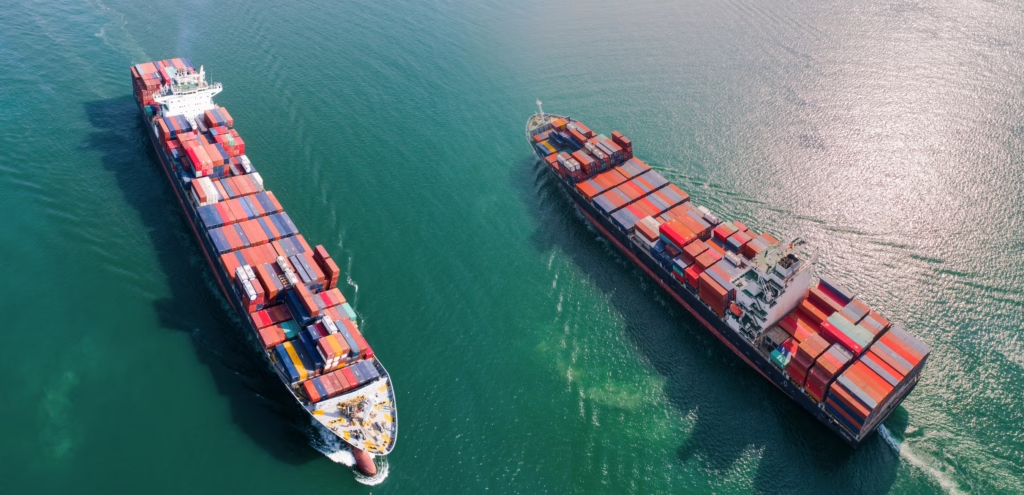
Understanding Container Drayage
Container drayage often represents the first and last mile when importing or exporting goods. If you’re managing imports or exports, understanding the incoterms will help you figure out if you’re responsible for arranging drayage. From there, success comes down to knowing how each port or railyard operates and coordinating effectively with all the parties involved.
- Imports & Exports: Every container move starts at the “port of call”, the arrival or departure point for your cargo. Marine terminal operators unload import containers from vessels and hold them until U.S. Customs grants cargo release. Once cleared, the drayage carrier retrieves the container and delivers it to the next destination. For exports, drayage involves picking up an empty container from a container yard, loading it at your facility, and returning it to the marine terminal for outbound shipment.
- Intermodal: For intermodal shipments, drayage revolves around timing and scheduling. Empty containers are typically housed at the railyard, allowing for faster, more efficient turnarounds. Intermodal drayage carriers transport empty containers to warehouses for loading, then return the loaded units to the rail terminal, often completing multiple trips in a single day.
- Equipment: The type of equipment being moved plays a major role in drayage planning. Intermodal shipments are typically enclosed and subject to weight and size limits, while import and export drayage may involve specialized equipment. The standard international measure is the TEU (Twenty-Foot Equivalent Unit), with most containers measuring 20 or 40 feet. Other types include tank, flat rack, and open-top containers used for specific commodities or oversized freight.
Container Drayage Industry Insights
Choosing the right drayage partner is critical to keeping your supply chain on schedule and avoiding costly accessorial charges like detention or storage fees. Drayage involves more than just picking up a container — it requires coordination between ports, railroads, steamship lines, terminal operators, freight forwarders, customs brokers, and U.S. Customs and Border Protection. Below are a few of the main factors that impact performance and cost:
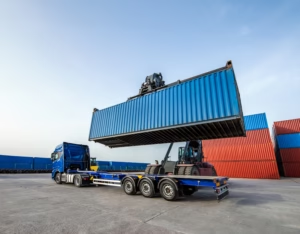
- Free Time: Free time is the window you have to move your container before fees begin. Import containers usually have four days of free time for dry units and two days for refrigerated ones. Export shipments must be delivered after the Earliest Return Date (ERD) but before the Port Cutoff Date. For intermodal moves, you typically have one free day plus the day of unloading before dwell charges begin. Managing these timeframes carefully helps you avoid unnecessary penalties.
- Equipment Availability: When chassis or containers are in short supply, operations can slow dramatically. Specialized equipment is even harder to secure on demand, which can lead to increased dwell times, higher storage fees, and schedule disruptions. Consistent access to the right equipment ensures carriers maintain efficient turnarounds, optimize routing, and minimize idle time — keeping your supply chain flowing smoothly.
- Accessorial Charges: Carriers plan for what they can control — but unforeseen delays or terminal issues can lead to additional charges. Common accessorial charges include detention, demurrage, chassis splits, and terminal surcharges. Working with a partner who understands how to anticipate and minimize these costs can make a significant difference in your bottom line.
Benefits of Container Drayage with WHY Logistics:
Outsourcing container drayage to a trusted partner like WHY Logistics saves you time, reduces costs, and simplifies coordination across multiple transport modes. Here’s how our experience and nationwide network make a difference for your operations:
- Nationwide Port Coverage: Our nationwide port coverage gives you flexibility and choice of ports. Whether your imports arrive on the East Coast, West Coast, or Gulf, we provide multiple routing options to help you adapt quickly to port congestion, weather disruptions, or schedule changes. This broad coverage allows you to optimize costs, improve transit times, and maintain reliable service from coast to coast.
- Port Specific Knowledge: Every port operates differently — with unique gate procedures, appointment systems, and customs requirements. At WHY Logistics, our team understands these details inside and out. We work closely with terminal operators and local carriers to ensure smooth pickups, minimize wait times, and avoid unnecessary fines. Our port-specific expertise enhances efficiency, safety, and reliability at every stage of your supply chain.
- Other Port Solutions: When timing is critical, cross-docking and transloading provide fast, flexible solutions to keep freight moving. Our network of cross-dock facilities enables quick container transfers from port to truck, helping you avoid storage and demurrage fees. Whether you need palletizing, labeling, or cargo consolidation, our cross-dock partners handle every step with precision. These options deliver both time and cost savings — ensuring your cargo reaches its destination on schedule.
WHY Choose Our Container Drayage
Container drayage might seem straightforward, but a single missed appointment or equipment shortage can lead to costly delays and frustrated customers. That’s why partnering with the right logistics provider matters. At WHY Logistics, we maintain a vetted network of trusted drayage providers across all U.S. ports and rail terminals. We coordinate every step, from pickup to delivery, with efficiency, safety, and compliance in mind. Our goal is to simplify your supply chain, eliminate avoidable costs, and give you peace of mind from port to warehouse. Partner with WHY Logistics today and keep your container operations running smoothly — no matter where your freight moves.