
Intermodal
Intermodal Freight – Is it the right fit for my business?
When you have freight that needs to move a long way, shipping intermodal is a great option. With Intermodal freight, the cargo stays in the same container from the time it picks up until it delivers. In North America, intermodal typically refers to using a combination of trucks and railroads. Throughout the rest of the world, it normally refers to trucks, railroads and ships. Figuring out whether intermodal freight is an option for you requires looking at your entire supply chain. If what you’re shipping is time sensitive, it’s not the best option. Intermodal can also be a challenge for you if you are very tight on inventory. WHY Logistics is here to help you figure out whether intermodal freight is a good option for you.
Understanding Intermodal Freight
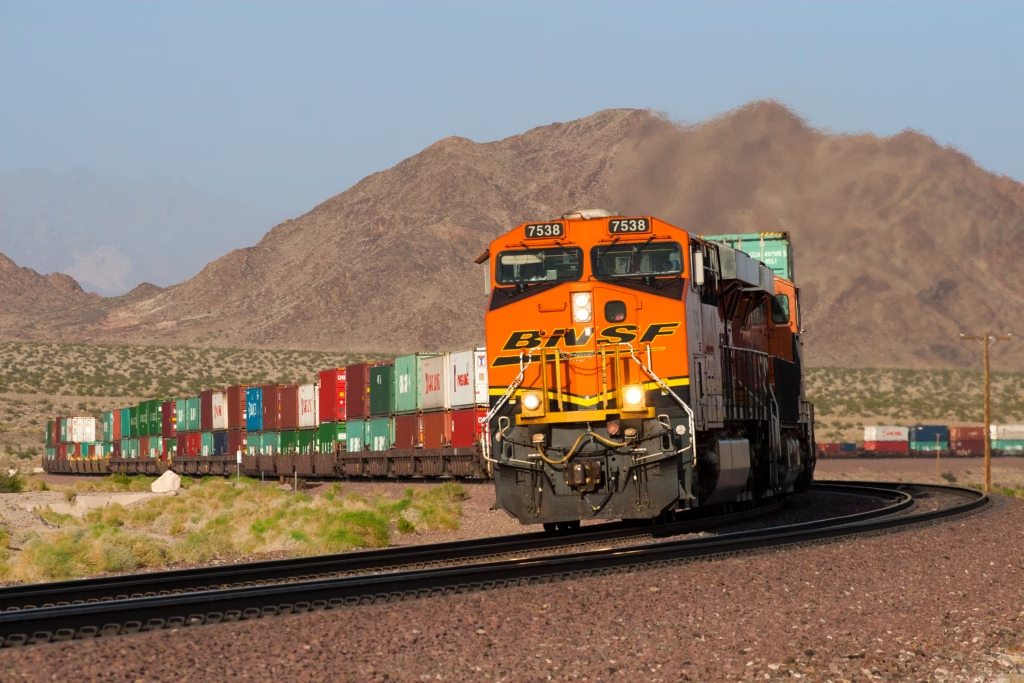
Here we’re going to talk about domestic intermodal, where cargo moves between rail and trucks. Most intermodal freight moves on containers that are either 20, 40 or 53 feet long. These containers are picked up from rail or container yards and then mounted on a chassis. A chassis is a metal frame with wheels that the container is placed on and connects to a truck. Certain providers will actually pickup an entire 53” trailer with wheels and place it on a train. This is called “Trailer on Rail” and is a great way for companies to reposition equipment. There are 3 main things to consider when exploring intermodal freight:
- Length of Haul: How far you’re trying to ship something matters. Typically, most intermodal freight is shipped on distances more than 500 miles. This is done because the cost per mile when shipping rail is less than shipping by truck. The tradeoff is that there are drayage carriers handling the container at each rail ramp. This adds additional cost to the entire shipment. The lower rail shipping cost offsets the drayage cost. This leads to a minimum breakeven of about 500 miles before shipping via intermodal results is a lower cost.
- Transit Time: Planning is key as when you ship intermodal, you don’t have access to the freight. Also, trains move slower than trucks, so it’s going to take longer for intermodal freight to deliver. An over the road truck shipping from New Jersey to California can take 4-5 days. On the rail, that same transit can take 6-7 days. The time it takes to pickup and deliver the intermodal freight can also add a day or two. If the route requires switching rail carriers, that could add a day. As long as you can plan for it, these transit times aren’t prohibitive.
- Cargo Types: Not all cargo is meant to be shipped intermodal. Most of the intermodal freight moving in the US is on 53 ft dry van containers. Many shippers prefer to avoid shipping fragile cargo as it can become damaged in transit as it moved over rail yard humps. Commodities like flammable gases and hazardous products are restricted. Some fragile commodities such as electronics and high value items are typically not shipped via Intermodal. Intermodal shipments are also weight restricted by the same 80,000 Gross Vehicle weight that over the road shipments are. The standard limit imposed by most Intermodal providers is 42,5000 lbs.
Intermodal Freight Industry Insights
Many shippers like utilizing intermodal freight because it reduces how many times product is handled. The less the product is handled, the less chance of damage to the products. The key to shipping intermodal freight successfully is understanding the complexity of intermodal. Shippers assume virtually all the liability for condition of the cargo. This means that securing the cargo when loading requires a lot of attention. As intermodal freight passes through rail yards, intermodal containers can be handled roughly. If products are not secured properly, you can end up with a mess when you open the doors.

- Pickup and Delivery Location: Where the cargo originates and where it ends up matters. There’s a cost associated with picking up or delivering an Intermodal shipment. The further the shipper or receiver is from a rail ramp, the greater the cost for pickup and delivery is. Shippers or receivers located less than 100 miles from a rail ramp can provide the biggest opportunity for shipping Intermodal Freight. Not all locations in the US have access to cargo rail lines. Some areas are limited by older infrastructure that has not been updated to handle rail cargo and others don’t have the population density to justify it.
- Sustainability: Many shippers choose shipping Intermodal Freight as part of their sustainability initiatives. One Intermodal train can carry the equivalent of 280 truckloads worth of cargo. This reduced total highway congestion and lowers fuel consumption. For intermodal shipping, one gallon of fuel can move a ton of freight 500 miles by rail, which has shown to be 4 times more fuel efficient. Railroad infrastructure is already in place in much of the country. By using these existing rail lines, there is less need for the creation of new roads.
- Intermodal Complexity: Just like a plane won’t wait for you if you’re late, a train won’t wait for your cargo. Railroads have strict cutoff times for in-gating cargo that needs to be loaded. Knowing these cutoffs is vital to ensure your freight isn’t left waiting for the next train to leave. This can lead to longer than expected transit times and orders missing due dates. Railroads also must make sure the cargo hits transfer points on time. With no single national railroad provider, railroads rely on other railroads to move cargo where they don’t have rail lines. There are more accessorial charges that typically come into play compared to over the road shipping. Dwell time is a major one that is charged when cargo is not moved out of the destination rail yard in a timely manner.
Benefits of Intermodal Freight with WHY Logistics:
Planning is the key element to incorporating intermodal into your transportation solutions. Having the right provider relationships with access to the right equipment at the right time is crucial to setting up your intermodal network.
- Experience and Expertise: Our team has experience not just with moving product but also manufacturing and warehousing it. We know what it takes to ensure your products are loaded and properly secured for intermodal shipping.
- Multiple Carrier Relationships: We know putting all your eggs in one basket is not a successful supply chain strategy. That’s why we’ve built out our Intermodal network to have multiple proven providers.
- Planning Assistance: There are lots of variables that need to be considered when evaluating if Intermodal Freight is an option for you. We help you map out all these key elements; from warehouse locations to lead time requirement to cargo handling requirements.
WHY Choose Our Intermodal Freight Solutions
Between proper planning and the complex accessorial tariffs, there’s a lot to know when it comes to shipping Intermodal. WHY Logistics has been helping shippers identify opportunities to convert over the road freight to intermodal since 2020. Our Intermodal partners offer nationwide access to switching to Intermodal Freight. At WHY Logistics, we help you determine if your commodities and supply chain model allow for this unique opportunity to reduce transportation costs and improve sustainability.