
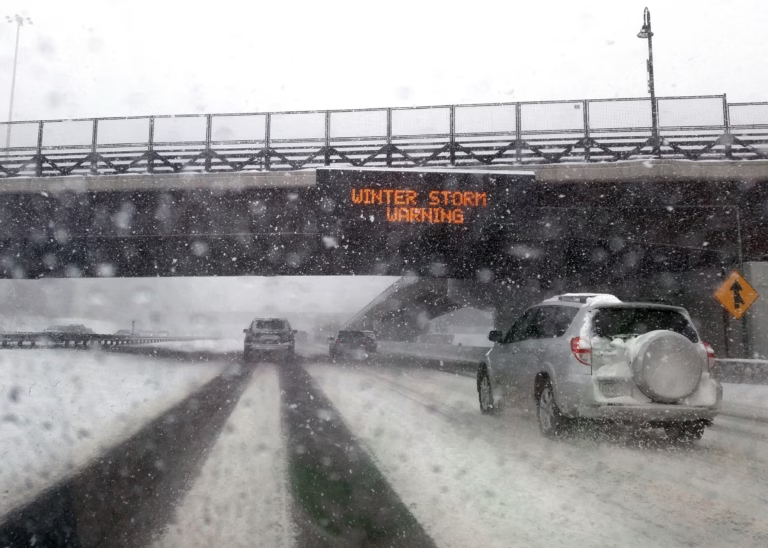
Winter storms don’t just disrupt travel; they disrupt supply chains, production schedules, and customer commitments. With Winter Storm Fern impacting large portions of the country, many shippers and carriers are once again being reminded how quickly weather can bring logistics operations to a halt.
At WHY Logistics, our priority during severe weather events is simple: protect drivers, minimize disruption, and keep customers informed so they can make smart decisions early.
Below are key considerations for preparing your logistics operation for winter storms, followed by the specific steps our team took to help customers navigate the challenges posed by Winter Storm Fern.
Why Winter Storm Preparation Matters in Logistics
Winter weather introduces risks that go far beyond delayed shipments:
- Unsafe driving conditions for carriers
- Road closures and unexpected detours
- Missed delivery appointments and facility shutdowns
- Increased detention, layover, and accessorial costs
- Communication breakdowns between shippers, carriers, and receivers
The businesses that handle winter storms best aren’t the ones who “react faster”, they’re the ones who plan earlier and communicate clearly.
Best Practices for Preparing for Winter Storms
Before a storm ever arrives, logistics teams should be focused on four core principles:
- Proactive Weather Monitoring
Don’t wait for conditions to deteriorate. Tracking weather systems early allows teams to adjust schedules before carriers are already on the road. This means beginning to pre-plan days in advance so that you can begin to enact these plans as the forecast becomes clearer. - Flexibility in Pickup and Delivery Planning
Rigid appointment schedules create unnecessary risk during winter weather. The ability to move freight earlier or delay when necessary, protects both freight and drivers. Ensuring receiver buy-in is key as well where they can be included in the process to determine if they can delay the shipment or need it sooner. - Driver Safety Comes First
No shipment is worth putting a driver in an unsafe situation. Building contingency plans around keeping drivers off the road during peak storm windows is essential. Snow removal and cleanup is also much easier without trucks parked on the side of the road or in warehouse parking lots. - Clear, Frequent Communication
Surprises are what create frustration. Customers who understand the situation and the plan are far more likely to stay aligned during disruptions. It goes beyond just explaining what’s happening and what we’re doing, to ensure they understand WHY it’s being done.
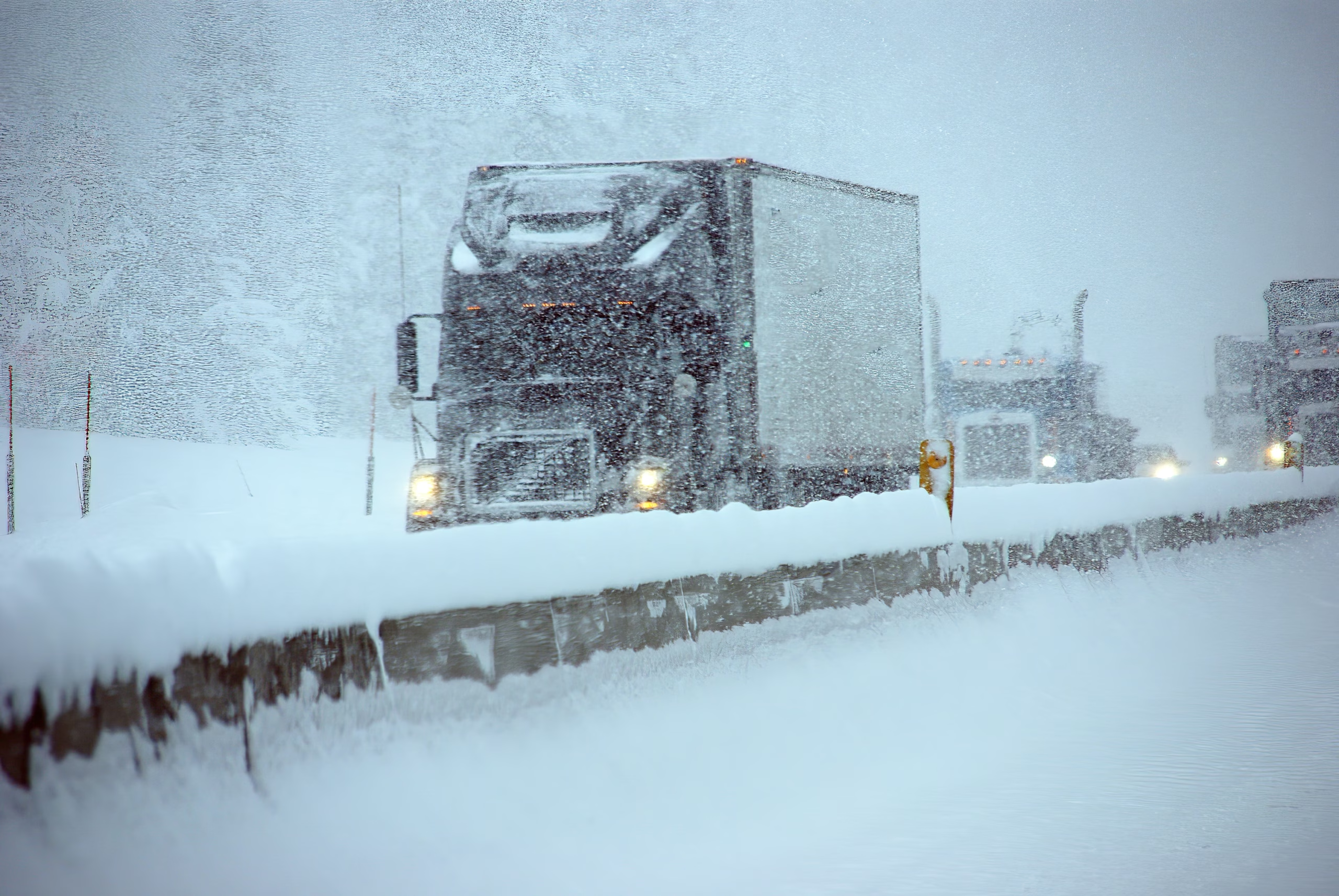
How WHY Logistics Helped Customers Navigate Winter Storm Fern
As Winter Storm Fern approached, our team took proactive steps to reduce risk and maintain continuity for our customers.
- Closely Monitoring Weather Reports and Forecasts
We actively tracked weather updates and storm projections to understand when and where conditions would deteriorate, allowing us to act before disruptions occurred. - Rescheduling Pickups Ahead of the Storm
Any loads scheduled to pick up immediately before the storm’s projected start or during the storm were reviewed. Where possible, we worked with shippers to move pickups earlier or scheduled for a later date, reducing the risk of freight being stranded or delayed while staying focused on due date requirements. - Accelerating Deliveries to Get Drivers Off the Road
For deliveries scheduled during the storm window, we coordinated earlier delivery times whenever feasible. This allowed drivers to complete runs safely and get off the road before conditions worsened. - Communicating Closely with Customers
Throughout the process, we stayed in close contact with our customers explaining the situation, outlining recommended adjustments, and confirming updated appointments so there were no surprises.
The Bigger Takeaway
Winter storms are unavoidable but major disruptions don’t have to be.
By planning ahead, staying flexible, and prioritizing communication and safety, logistics disruptions can be managed instead of reacted to. At WHY Logistics, we believe strong partnerships are built during moments like these when clear communication and proactive decision-making matter most.
After any supply chain disruption like a major winter storm, it’s worth taking a step back and reflecting on whether you or your partners could have done something differently. If you feel let down by your logistics partners, let’s chat.